- 800.773.3111
- Contact Us
- Client Login

🚨 Meet GEMMS, Inc at DDW 2026 – Digestive Disease Week | May 2–5, 2026 | Chicago, IL | Featured Exhibitor Booth #5337
We analyzed real-world pain management workflows to identify:
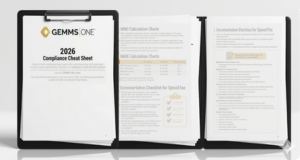
Pain practices don’t struggle with delivering care.
They struggle with documenting it in a way that supports compliance, reimbursement, and audit readiness.

Used by pain practices to stay audit-ready in 2026
We use cookies to improve your experience on our site. By using our site, you consent to cookies.
Manage your cookie preferences below:
Essential cookies enable basic functions and are necessary for the proper function of the website.
These cookies are used for managing login functionality on this website.
Used by the SiteGround Optimizer plugin to manage the website's dynamic caching system. It helps ensure the correct version of a page is delivered for optimal performance and functionality.
Service URL: gemmsone.com (opens in a new window)
Used by the WP Cerber Security plugin to protect the website from malicious activity and brute-force attacks. It is essential for the security and integrity of the site.
Service URL: wpcerber.com (opens in a new window)
Statistics cookies collect information anonymously. This information helps us understand how visitors use our website.
Google Analytics is a powerful tool that tracks and analyzes website traffic for informed marketing decisions.
Service URL: policies.google.com (opens in a new window)
Marketing cookies are used to follow visitors to websites. The intention is to show ads that are relevant and engaging to the individual user.
Provides social media sharing buttons (e.g., Facebook, Twitter) and related tools. It helps website owners understand how their content is shared and what is popular with visitors.
Service URL: www.shareaholic.com (opens in a new window)
You can find more information in our Cookie Policy and .
Fill in your details here.